How Teens with Visual Impairments Take, Edit, and Share Photos on Social Media
summary
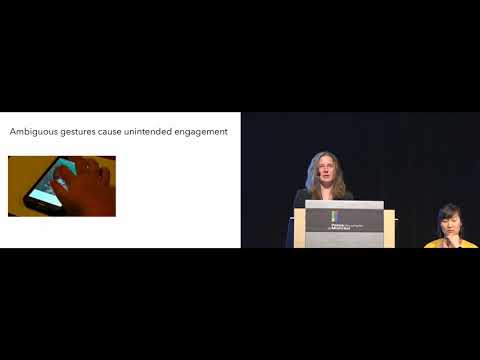
Study of 14 teens (mean age 16.79) with 10 low vision and 4 blind participants shows concrete problems and fixes: magnifying via triple-tap misinterpreted as double-tap causes accidental likes and lost swipes, selfie AR prompts obscure view and need haptic or sonification feedback or pause controls, Snapchat ephemeral timers force screenshotting with social cost, many low-vision teens save others' images to filter offline and want a temporary edit of others' photos, and camera apps need a quick “functional photo” delete flow.
AI-written summary · about
chapters (5)
- 0:00Start
- 3:36Smartphone and social media use
- 7:04Design unique accessibility gestures
- 7:53Photo editing to fit social media trends
- 14:03Conclusion
related talks
 22m“With most of it being pictures now, I rarely use it”: Understanding Twitter’s Evolving ...
 49mLike It Or Lump It: Social Media And Users With Motor Impairments
 56mCoding a Disability Inclusive World: 3 Stories
 22mKeynote: Moving from Awareness to Action: Creating Inclusive and Accessible Experi...
 22mKeynote: Moving from Awareness to Action: Creating Inclusive and Accessible Experi...
 23mCooperative Privacy and Security: Learning from People with Visual Impairments
 42mA Glimpse Into Accessibility
 55mDigital Modernization Through Accessibility