“With most of it being pictures now, I rarely use it”: Understanding Twitter’s Evolving ...

summary
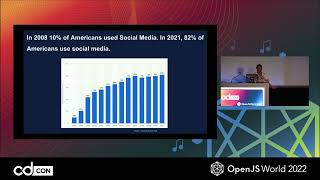
Surveying 132 blind Twitter users (116 public) and 116 matched controls plus the Twitter firehose, the study shows rising image prevalence: about 25% of tweets contain images and nearly 45% of retweets contain images, while blind users send images only 5% of the time. Manual coding of 900 image tweets finds many screenshots, memes and text-images that break accessibility. A classifier using profile and behavior features reaches over 90% accuracy in inferring visual impairment. Twitter adds alt-text support March 29, and the paper tests automated captioning and volunteer-targeting as practical fixes.
AI-written summary · about
chapters (17)
- 0:00Introduction
- 1:31Research Questions
- 2:35Internet Wayback Machine
- 2:56Top Tweets
- 3:25Images
- 3:43Screenshot
- 5:56Alt Text
- 6:32Survey Methodology
- 8:47Accessibility
- 9:18Blind Twitter Profiles
- 12:22Blind Twitter Account Differences
- 13:52Blind Twitter Hashtags
- 15:14Blind Twitter Analysis
- 16:22Twitter Imagery Analysis
- 18:41How Important is the Image
- 19:00How Important is the Text
- 19:22Conclusion
related talks
 18mHow Teens with Visual Impairments Take, Edit, and Share Photos on Social Media
 22mFAULT TEXT: The Adversities in Automated Alternative Text with Henri Helvetica
 22mKeynote: Moving from Awareness to Action: Creating Inclusive and Accessible Experi...
 22mKeynote: Moving from Awareness to Action: Creating Inclusive and Accessible Experi...
 48mText-To-Image Accessibility
 09mImageAlly: A Human-AI Hybrid Approach to Support Blind People in Detecting...
 55mBridging the Digital Divide: Empowering Accessibility Through AI Innovations
 55mDigital Modernization Through Accessibility