Bridging the Digital Divide: Empowering Accessibility Through AI Innovations

summary
Demonstrates concrete accessibility wins: face‑aware photography on Google Pixel Guided Frame, real‑time transcription that lets a deaf man finally phone his son via live captions on phones, and Siri narration used for media. Calls out measurable failures: 80% color contrast issues and over half of web images missing alt text, with 2/3 of web traffic on mobile and 80–90% of college students expecting captions. Recommends WCAG, semantic HTML, alt text, Flesch‑Kincaid plain language, and human review of AI alt‑text.
AI-written summary · about
chapters (15)
- 0:00Introduction and welcome
- 1:23Interactive phone demo
- 4:56Mobile-first development
- 11:24Digital accessibility explained
- 15:41Universal design principles
- 17:47Accessibility in sight technology
- 21:26Accessibility in hearing technology
- 24:38Accessibility in touch technology
- 28:01WCAG standards overview
- 32:09Perceivable content design
- 38:58Color contrast and alt text
- 46:48Operable user interfaces
- 49:15Understandable language
- 51:46Robust and compliant code
- 53:56Summary and conclusion
related talks
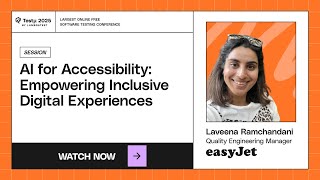 34mAI for Accessibility: Empowering Inclusive Digital Experiences
 34mAI and Accessibility: the Good, the Bad, and the Bollocks
 56mBeyond Colors and Captions: How to Provide More Inclusive Accessibility
 22mKeynote: Moving from Awareness to Action: Creating Inclusive and Accessible Experi...
 45mA Glimpse Into Accessibility
 48mProgramming for Accessibility
 13mBeyond Barriers: AI Reshaping Digital Accessibility
 22mAccessibility for Everyone