Data, Design and Civics: An Exploratory Study of Civic Tech
summary
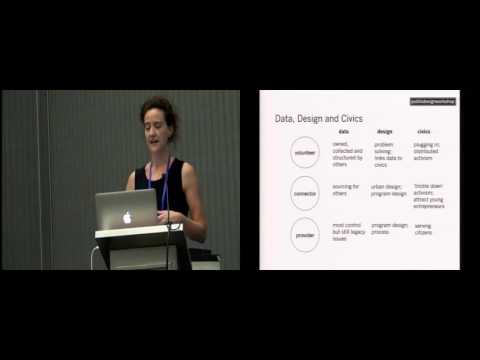
Qualitative interviews with 13 civic leaders from 10 Atlanta organizations map three practical roles—volunteer voice, connector voice, provider voice—and four recurring problems: lack of data access, jurisdictional fragmentation, misplaced business metaphors, and limited data literacy. Methods are one‑hour interviews, thematic coding, and participant feedback. Findings note design mostly shows up as a hired skill or process, hack events function as hackathons as public speculations, and connectors often mediate and gatekeep data flows rather than supply stable infrastructure.
AI-written summary · about
chapters (12)
- 0:00Introduction to study
- 1:12Context of Atlanta
- 3:21Research approach and voices
- 5:29Perceptions of civic tech
- 7:38Looking ahead at challenges
- 9:25Emergent themes overview
- 10:12Theme of access
- 11:17Theme of literacy
- 13:44Reflections on data and design
- 15:48Speculative and public design
- 17:53Role of curiosity
- 18:52Q&A begins
related talks
 22mOpen Collaboration for Civic Impact
 40mThe Education of a Civic Technologist
 50mRoundtable: The Power of Data-Driven Design
 35mDesigning for Impact in Civic Data Science
 01mUsing Web tools to uplift your community
 02mDBTB INT Lawrence Grodeska r
 29mTrick or Data?
 31mLet's Build Civic Tech to Scale Democracy for a Better Future