Voicesetting: Voice Authoring UIs for Improved Expressivity in Augmentative Communication
summary
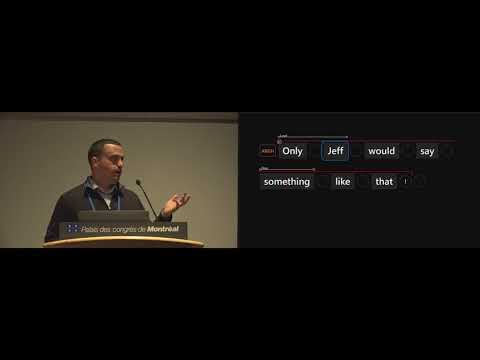
Built two UIs — an Expressive Keyboard for one- or two-character markup and an advanced Voicesetting Editor for per-word control — that inject emotion, vocal sound effects and whitespace changes into TTS for AAC users. Evaluations with people with ALS show listeners better recognize intended emotions than default TTS and users prefer quick vocal gestures for conversational timing and the editor for crafted messages. The system uses available engines (e.g., Sarah voice) and an active listening mode to play laughter, grunts or scoffs instantly.
AI-written summary · about
chapters (7)
- 0:00Introduction
- 3:47Voicesetting
- 6:18Expressive Keyboard
- 9:12Voicesetting Editor
- 11:52Evaluations
- 12:51Feedback
- 16:05Future Work
related talks
 01h 06mAI as a Force for Innovation
 28mWhat’s Needed in Tech to bring Voice to the Future
 49mDesigning voice interfaces
 59mThe Evolution of the Player Interface.
 12mKeynote
 42mArtificial Intelligence That Removes Language Barriers
 19mAlexa, show me a good voice UI
 38mConversational UIs: Talking to Siri, Alexa, and Your Web Browser