Designing for Cohabitation: Naturecultures, Hybrids, and Decentering the Human in Design
summary
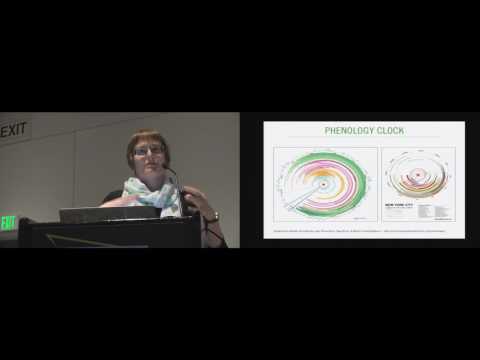
Urban informatics research compares three concrete designs and outcomes: wildlife crossings with native-plant bridges that measurably reduce highway collisions, GPS trackers used by the Snow Leopard Trust that record year-long movement patterns and reveal conflicts with mining and herders, and the Phenology Clock interactive visualization built from a decade of citizen-collected London data that exposes shifting bloom and migration timings and engages children. The core claim is that design tools and ecological data can decenter humans and materially support cohabitation in cities.
AI-written summary · about
chapters (10)
- 0:00Introduction to cohabitation
- 1:12Urban wild things concept
- 4:01Designing with animals
- 5:26Wildlife crossing example
- 6:54Tracking animal movements
- 7:58Natureculture framework
- 9:04Phenology clock design
- 11:55Hybrid thinking in design
- 13:20Key takeaways and future
- 16:10Q&A on urban wild things
related talks
 16mDesign for Collaborative Survival: An Inquiry into Human-Fungi Relationships
 Learning from Users: Everyday Playful Interactions to Support Architectural Spatial Changes
 18mFuture Cities: The Intersection of the Natural & the Artificial
 20mRe-Making Places: HCI, 'Community Building' and Change
 08mLearning from Users: Everyday Playful Interactions to Support Architectural Spatial Changes
 01h 01mDesigning for complexity
 42mDesigning Compassionate Systems
 20mThe future is low-tech: lessons from the early 2000s