Examining Adult-Child Interactions in Intergenerational Participatory Design

summary
A new framework argues that adult-child co-design unfolds across four measurable dimensions—relationship building, facilitation, design-by-doing, and elaborating together—each ranging from unbalanced (adult- or child-dominant) to balanced partnership. Grounded in a year of KidsTeamUW data (36 ninety-minute sessions, 13 children ages 7–11, adults from undergrads to researchers), the analysis shows concrete behaviors (adults scaffolding tasks, getting to eye level, sharing tools, children directing actions) and proposes using the framework to assess equity and to design better co-design sessions.
AI-written summary · about
chapters (12)
- 0:00Start
- 0:16Adult-Child Interactions in Participatory Design
- 2:55Research Questions
- 6:59Empirical Study
- 7:30Data Collection
- 7:41Grounded Theory Approach
- 10:18Facilitation
- 12:42The Unbalanced Partnership
- 13:49Utility of the Framework
- 14:45Three Takeaways
- 15:10Connections in the Dimensions
- 15:48Conclusion
related talks
 17mThe Evolution of Engagements and Social Bonds During Child-Parent Co-design
 22mUsing Co-Design to Examine How Children Conceptualize Intelligent Interfaces
 14mParticipatory Design through a Learning Science Lens
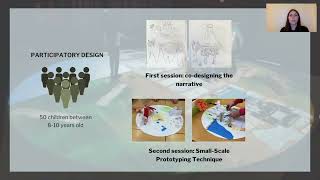 08mParticipatory Design of an Embodied Mixed Reality Experience Aimed to Assessing Individual and Co...
 18mMulti-lifespan Design Thinking: Two Methods and a Case Study with the Rwandan Diaspora
 34mCollaboration as a Professional Tool
 25mDesign Systems as Facilitators.
 35mSlowing Down To Scale Design