The trouble with autopilots: assisted and autonomous driving on the social road
summary
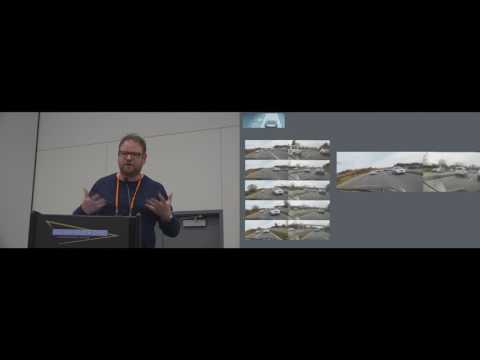
Authors analyze 10.5 hours of footage from YouTube of Tesla Autopilot and Google self-driving cars and note Tesla’s service has logged 140 million miles worldwide while data access remains limited. Drivers continuously tweak speed and following distance and monitor autopilots; autopilots miss social cues so a Tesla sometimes cuts drivers up, Google cars often hesitate and cause rear-end near‑misses. Recommendation is clearer transparency and designing for road social interaction rather than only nominal safety.
AI-written summary · about
chapters (9)
- 0:00Introduction and research background
- 3:19YouTube data as research method
- 5:51Driver interaction with autopilot
- 8:00Social interactions on the road
- 10:32Autonomous cars' social blind spots
- 12:54Hesitation and rear-end collisions
- 14:10Future of human-like driving
- 15:35Road as a social space
- 16:22Q&A session
related talks
 45mTalking to your driverless car
 19mAssessing public perception of self-driving cars: the autonomous vehicle acceptance model
 38mDesigning Machine Learning for Humans
 49mVideo
 46mDesigning Artificial Intelligence
 24mAdasa: A Conversational In-Vehicle Digital Assistant for Advanced Driver Assistance Features
 09mWhat's new with Android for cars
 01h 02mBuilding Better Systems: Boosting Accessibility for the Default Mode Network