The Geometry of Storytelling: Theatrical Use of Space for 360-degree Videos and Virtual Reality
summary
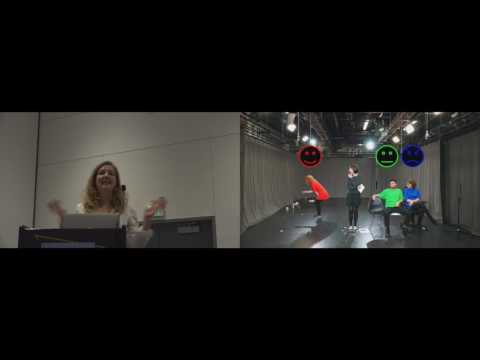
Four theatre directors stage the same six-minute scene with four groups of three actors, recorded three times in theatre and three times with a 360 camera (six recordings per group), using three camera angles to triangulate actor coordinates and review footage on a 96° headset. Quantitative findings show shorter distances to the camera, fewer shots with the camera in the middle, the most empathetic character sits closer to center, and mean interpersonal distance drops at the end when performers huddle; rehearsals add props like chairs and an oh chair to shape movement.
AI-written summary · about
chapters (16)
- 0:00Introduction to talk
- 0:25Cinematic 360 misconceptions
- 1:33360 challenges and solutions
- 2:35Theater space and 360 parallels
- 3:16Research questions and methodology
- 5:44Study design and script selection
- 7:10Spatial anchoring in rehearsals
- 8:19Spatial formations across groups
- 9:43Proxemics and narrative themes
- 10:46360 vs theater spatial differences
- 11:28Direct comparison findings
- 12:11Key takeaways and future work
- 13:16Q&A: Is 360 cinematic?
- 13:39Q&A: Viewer attention control
- 14:22Q&A: Actors calling for attention
- 15:25Q&A: Audience feedback on 360
related talks
 33mCinematic Virtual Reality with 360 degree movies
 19mMulti-device Storyboards for Cinematic Narratives in VR
 48mTalking VR Turkey
 15mShot Orientation Controls for Interactive Cinematography with 360 Video
 15mGetting Real with Virtual Reality
 26mHow Do We Tell Stories in Virtual Reality?
 43mVirtual Reality; Past, Present and Future
 31mVR Journalism: 360 Storytelling and the New Era of Reporting