2023: Cyber Professionals Challenges and Insights. Let's Talk.

summary
Survey of ~300 ISSA respondents reports 71% impacted by a skills shortage and 54% say it worsened, with top gaps in application and cloud security plus security analytics; 43% report high burnout and 55% feel stressed half the time. 58% have seen organizations ignore security, 48% would consider whistleblowing. Practical fixes: raise pay, fund training and apprenticeships (AIM), educate HR, include security early in projects, and pilot AI automation like Copilot while guarding against ChatGPT risks.
AI-written summary · about
chapters (14)
- 0:00Introduction and welcome
- 1:55Cybersecurity skills shortage overview
- 3:45HR disconnect and burnout crisis
- 8:01Top skills shortages in cybersecurity
- 11:36Organizations failing to address shortages
- 16:22Cybersecurity culture assessment
- 19:36Improving cybersecurity culture
- 24:37Job difficulty and stress factors
- 30:38Solutions to improve cybersecurity programs
- 31:01Ignoring security best practices
- 33:36Whistleblower ethics in cybersecurity
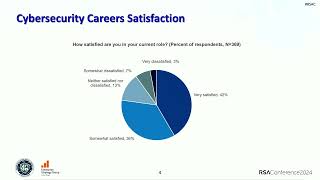
- 35:25Career satisfaction in cybersecurity
- 37:58Job stress and most stressful aspects
- 41:08Q&A on AI and future skills
related talks
 49mNavigating Challenges: Perspectives of Information Security Professionals
 40mHow to Guide: Using ISSA/ESG Research Data For Your Benefit
 40mUpskilling, Credentials and Soft Skills: Closing the Cyber Workforce Gap
 52mCan the Workforce Shortage Be Fixed?
 46mAI in Cyber: Is the Cyber Profession Ready for Its Impact?
 19mCybersecurity's Silent Crisis: Protecting the Human Element
 51mState of Cybersecurity : From the Great Resignation to Global Threats
 40mAnalyst View: How To Manage Info/Cybersec Careers in a Pandemic Recession