Semi-Advanced Threats vs the Semi-Critical Infrastructure

summary
Claims that state-tolerated hacking groups will monetize skills by hitting underprotected suppliers — logistics, food, transit, small banks, schools — with real examples like JBS, Colonial Pipeline and a San Francisco Muni outage that costs about $1M in lost revenue; research shows 67% still use SMBv1 and 34% still accept NTLM, and 2,000 people get doxed in one incident. Concrete mitigations: disable legacy ports (SLP UDP 1801), upgrade to SMBv3, enforce SSO/SAML/OAuth and MFA, deploy network detection and response, segment networks, inventory in one month and remediate insecure protocols within six months.
AI-written summary · about
chapters (5)
- 0:00Introduction and context
- 3:12Modern pirate analogy
- 11:52Why semi-critical is vulnerable
- 17:19Actionable security steps
- 20:50Call to action and summary
related talks
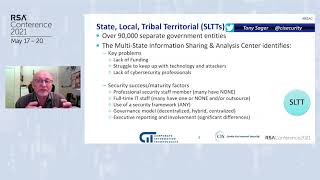 40mIn the Crosshairs: The State of Security in SLTT and SMB Organizations
 25mGlobal Threat Brief: Hacks and Adversaries Unveiled
 25mSupply Chain Attacks
 50mSoftware Supply Chain: Panel on Threat Intel, Trends, Mitigation Strategies
 40mDefending Operational Frontlines with Industry Experts with...
 57mInsights and Predictions: What's Next in InfoSec
 51mThe Enemy Within: Modern Supply Chain Attacks
 51mPreparing for and Defending OT Systems from Ransomware