Strengthening Cyber Through Inclusion
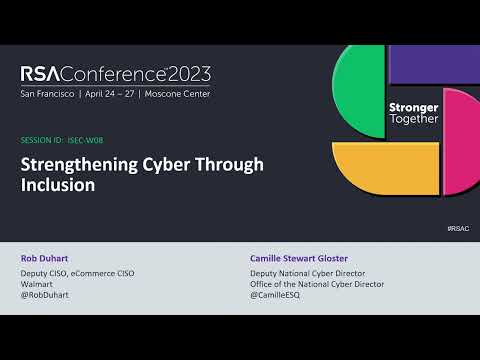
summary
Argues that diversity materially changes outcomes: a 2008 USB breach takes 14 months to remediate because people act on urgent needs; product fixes like WhatsApp’s forwarded‑message labels follow recognition of different user practices; a grassroots campaign ShareTheMicInCyber grows into scholarships and a fellowship; corporate programs like Live Better U pay for degrees and move store associates into cyber roles; federal drafting of a national cyber workforce and education strategy aims to map K‑12, community college and industry pipelines to fill millions of open roles.
AI-written summary · about
chapters (11)
- 0:00Introduction and welcome
- 0:42Why diversity in cybersecurity
- 10:23People at the center of security
- 13:57Building inclusive teams
- 24:58Takeaways and next steps
- 28:14Q&A on access and education
- 35:10Changing cybersecurity's image
- 39:25Early exposure to technology
- 45:23Getting leadership buy-in
- 47:54Career growth challenges
- 50:24Closing remarks
related talks
 57mDiversity in Cybersecurity - Why does it matter?
 56mInclusive security: Building diverse teams for stronger defenses
 58mBreaking Barriers: Empowering Women to Thrive in Cyber Security
 25mHow to Fix the Diversity Gap in Cybersecurity
 52mHave We Hacked into Inclusivity Yet?
 53mA Practical Framework to Hack the Cyber Workforce Talent Gap
 51mDiversity And Inclusion - Not Just A Gender Gap
 01h 09mKeynote: What Do We Owe One Another In Cybersecurity?