Crucial Cyber Hygiene Defenses for 2023

summary
Aggregated incident data shows the top four mitigations from Australia’s Essential Eight would have blocked about 93% of past breaches, and attackers move from an initial phish to domain‑controller compromise in roughly two to two and a half hours. Concrete defenses: deploy application control (AppLocker, Windows Defender Application Control, Carbon Black/ThreatLocker), enforce MFA everywhere, fix third‑party patching, run asset inventory, enable cloud CSP configuration management and CI/CD code scanning (SonarQube/Veracode/GitHub). Add network segmentation and VLAN privatization to slow lateral movement.
AI-written summary · about
chapters (8)
- 0:00Introduction and speaker background
- 1:07Why cyber hygiene matters now
- 9:51Global cyber hygiene standards and reports
- 17:57Endpoint security essentials
- 25:41Network segmentation and Zero Trust
- 29:12Cloud and DevOps security focus
- 34:11Governance privacy and compliance
- 36:17Practical next steps and Q&A
related talks
 30mCountering Persistent Threat Actors in APAC and Globally
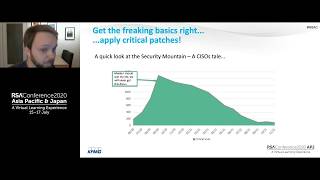 29mGet the Freaking Basics Right!
 37mThe top list of securing your developer workstation
 52mHow to prevent cyber-attack, & what to do when attacked?
 19mThe toplist of securing your developer workstation
 01h 11m2024 Security BSides // Adam Pennington
 14mBuild Cyber-Awareness in Platform Development Teams
 48mSecurity from zero