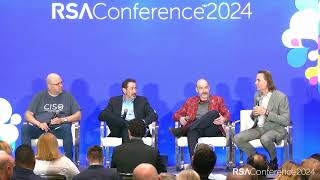
CISOs and Legal Uniting in a Post Uber and Twitter World

summary
Panelists argue that legal and security must coordinate on concrete processes not platitudes: codify incident authority between CISO and CTO, run tabletop exercises tied to E&O insurance, and predefine bug triage, disclosure and bug bounty program scope so NDAs and payments don’t create legal exposure. Surprising specifics cited: average CISO tenure 26 months versus C‑suite five years, organizations with ~20,000 vendors, and preference for hybrid frameworks (NIST/ISO) to avoid being nailed to one standard.
AI-written summary · about
chapters (16)
- 0:00Introduction and welcome
- 0:46Panel introductions and backgrounds
- 5:49Common perceptions of CISOs and attorneys
- 7:13Scapegoating in cybersecurity roles
- 10:19Uber and Twitter incidents impact
- 15:59Culture and ethical dilemmas in security
- 19:55Risk registers and regulatory scrutiny
- 23:04Collaboration between CISOs and GCs
- 27:03Translating technology for legal teams
- 31:02CISO authority during incidents
- 34:56Contract management and compliance
- 37:01Promoting CISO success in organizations
- 40:09Educating boards on cybersecurity
- 44:34Q&A session begins
- 44:56Bug bounty programs discussion
- 50:13Next steps and closing remarks
related talks
 01h 00mCXO Panel: Clash Of The Titans; Who Will Survive?
 47mThe Evolving Role of the CISO and the Security Organization
 42mCISO Panel
 50mCISOs Under Indictment: Case Studies, Lessons Learned, and What’s Next
 19mCybersecurity's Silent Crisis: Protecting the Human Element
 53mTake The Helm: Guidance For...
 02h 11mCISO Track Panel
 46mCISO Series Podcast - LIVE!