DevSecOps Worst Practices

summary
Claims 15 recurring DevSecOps failures uncovered from work with over 300 large enterprises: vendors promise zero false positives yet scans take hours and break builds on false positives, teams flip tools on without staging, CI/CD gates become artificial blockers, tests hog resources, and a bank paying $2M/year still misconfigures rollout. Recommends a two‑SLA approach (chip away at legacy criticals while preventing new highs), surface results into developers’ trackers, stage and tune tools before breaking builds, and train staff.
AI-written summary · about
chapters (17)
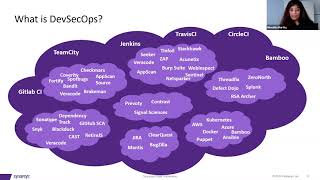
- 0:00Introduction to devsecops
- 1:38The importance of sharing
- 5:50Breaking builds on false positives
- 8:22Testing tools properly
- 10:14Avoiding artificial gates
- 11:56Managing test results
- 14:16Handling runaway tests
- 17:18Realistic SLAs
- 21:51Training and support
- 24:35Backlog maintenance
- 25:58Positive reinforcement
- 27:42Collaborative security
- 30:56Centralized bug tracking
- 33:02Comprehensive SDLC
- 34:52Securing CI/CD permissions
- 36:01Automating outside CI/CD
- 38:15Conclusion and resources
related talks
 26mDevSecOps: The Good, the Bad and the Ugly
 29mDevSecOps: Five Common Mistakes
 32mDevSecOps is Dead, Long Live DevSecOps
 43mTen DevSecOps Culture Failures
 05m5 Pitfalls of Using DevOps to Govern
 13mTen Ways to Doom Your DevSecOps
 39mDevOps: The Return of Security
 53mDevSecOps Next: Navigating the Next Era with Industry Titans