Employees Are the New Perimeter- How the Pandemic Shaped Workforce Risk

summary
Analysis of 6M real user actions from Cyentia Institute and Elevate Security shows risk concentrates: about 12% high-risk users account for roughly 30% of real phishing and 42% of malware incidents, with simulated-phish click rates rising ~1 percentage point (to ~10%). Departments like customer service and R&D and middle managers skew higher. Recommendations include profiling behavior across email, web and endpoint logs and applying adaptive controls—phish-resistant MFA, VPN/trusted-device requirements and targeted remediation—to bubble-wrap the small risky cohort while reducing friction for low-risk users.
AI-written summary · about
chapters (7)
- 0:00Introduction and speakers
- 1:03Human risk is unsolved problem
- 3:50Defining high risk users
- 10:40Risk distribution across behaviors
- 26:58Pandemic impact on workforce risk
- 38:19Actionable interventions for risk
- 46:11Q&A and closing remarks
related talks
 53mRisk Profiles: Why Some Employees Attract Danger and Others Dodge It
 40mLeveraging Human Risk Data to Strengthen Cyber Resiliency
 30mGetting Engagement in the Midst of Chaos
 30mSecurity Awareness with a Remote Team
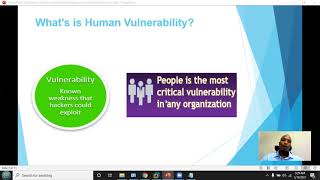 41mHuman Vulnerability Management and Assessment in the Age of Zero Trust
 27mBlunting the Phisher's Spear: A Risk-Based Approach...
 46mThe Human Factor: Building a Culture of Identity Security in a Decentralized Workforce
 31mGetting the Security and Flexibility Balance Right in a COVID-19 World