Designing Human-Centered AI Products

summary
Google releases the People+AI Guidebook as a practical toolkit to decide when AI adds unique value, translate user needs into data requirements, and explain predictions so users keep calibrated trust. Example: Google Flights builds a Flight Insights feature using the guidebook, inspects errors with the What If tool and dataset bias with Facets, prioritizes avoiding false negatives in its confusion matrix, and sees strong user feedback and adoption in early launches.
AI-written summary · about
chapters (22)
- 0:00Introduction
- 1:33The Guidebook
- 4:32The Big Questions
- 5:27PeopleCentered AI
- 6:27Google Flights
- 7:06Clear Needs and Behavior Patterns
- 8:01The Flights Example
- 8:43Define Success
- 9:52Confusion Matrix
- 11:33WhatIf Tool
- 12:08Success
- 12:36Scope
- 13:25Automation vs Augmentation
- 15:45Data
- 17:38User Needs
- 20:33Finding the Right Data
- 21:54Key Questions to Ask
- 23:55Tuning
- 25:06Translating needs into data
- 26:49What to think about
- 30:53Flight Insights
- 31:44Technical Expertise
related talks
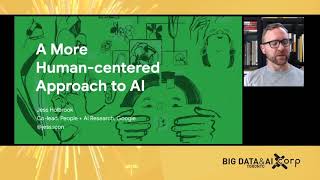 31mA more human-centered approach to AI
 16mArt of Innovation: The Artist’s Guide to Product Management
 54mEthical AI Development: Leveraging Human Centered Design for Inclusive and Trustworthy Solutions
 26mResponsible AI-What, Why, How and Future!
 45mDesigning meaningful Human-AI Interactions
 27mBuilding AI applications: Successes and Lessons
 37mFinding the Problem to Solve: Human-centered AI
 42mUX+AI: Mastering the UX of AI-Powered Products