Shifting Privacy In: How Privacy and Security Can Strengthen Each Other
summary
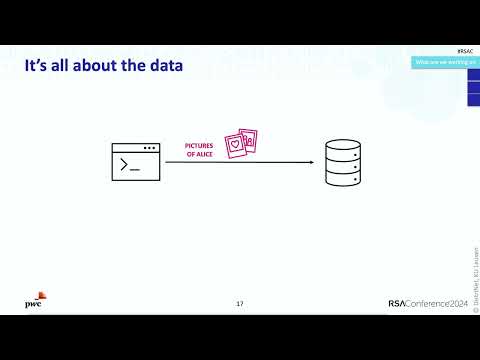
Argues that privacy can strengthen security and shows how to integrate them using engineering practices: starts from a claim that combining threat modeling with toolkits like LINDDUN and STRIDE yields more efficient analysis, then moves to concrete tactics (minimization, separation, PETS), real-world examples (Mozilla’s car-data list of everything a modern car can collect, reported Tesla employee photo-sharing, NYT reporting on insurers), and practical advice: run security first, then privacy, start small, close the technical skills gap.
AI-written summary · about
chapters (15)
- 0:00Privacy and security integration
- 2:52Why privacy matters
- 6:31Privacy vs security by design
- 10:12Threat modeling for security and privacy
- 18:25LINDDUN for privacy threats
- 24:35Combining security and privacy analysis
- 27:55Early privacy in development
- 29:23Privacy engineering challenges
- 32:42Conclusion and call to action
- 36:20Q&A: Security vs privacy mindsets
- 37:22Q&A: Anonymous credentials
- 39:26Q&A: Global privacy differences
- 41:57Q&A: Data minimization and security
- 44:00Q&A: Privacy roles structure
- 46:32Q&A: Balancing privacy and security
related talks
 49mHow to Kick Off Privacy Engineering Within a Security Team
 40mLessons Drawn From Cybersecurity In The Rise of Privacy Tech
 40mCreative Ways to Champion Privacy Engineering Awareness
 44mA Taste of Privacy Threat Modeling
 53mI don't need privacy, I got confidentiality!
 28mBuild Privacy into Your Products and Gain User Trust
 01h 15mDATA PROTECTION ENGINEERING: WHAT IS THE ROAD AHEAD?
 40mPersonal Threat Models and, Speculatively, Privacy Governance