Private Sector's Power Play: Shaping AI and Cybersecurity Policy
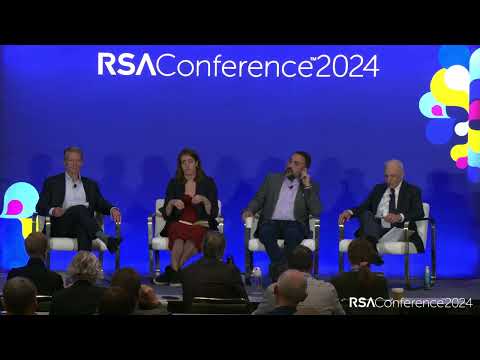
summary
AI acts as an accelerant: nation‑state espionage and theft scale faster, influence ops use doppelganger networks and spoofed domains routed through VPNs to seed and amplify narratives on X, and cheap synthetic media fuels targeted harassment, fraud and real‑world violence. Defenders gain immediate leverage by using AI for hunting, triage and secure coding, but attackers will automate exploit development. Policy and platform gaps leave provenance weak so urgent fixes like provenance and watermarking, stricter help‑desk processes and legal updates are needed now.
AI-written summary · about
chapters (11)
- 0:00AI and cybersecurity threats
- 1:46Current AI threats
- 5:42Alethea detecting GRU networks
- 12:05AI defensive advantage
- 21:20AI in disinformation
- 28:48Policy gaps in AI threats
- 37:22Training staff for synthetic attacks
- 40:57Disinformation impact
- 47:00Deepfakes and communication
- 50:16Metadata challenges
- 51:40Closing remarks
related talks
 49mGenAI and Cybersecurity: Safeguarding the Digital Age
 49mThe Intersection of AI and Cybersecurity
 01h 24mOffensive Cybersecurity by AI Promises and Pitfalls
 13mAI - Out of Control
 34mAI and Geopolitical Strategy
 01h 19mAI vs AI: Cyber Defence and Managed Resilience
 22mAdversarial AI: Why it Matters Now
 40mAI As The New Hacker Frontier