Oh, the Possibilities: Balancing Innovation and Risk with Generative AI
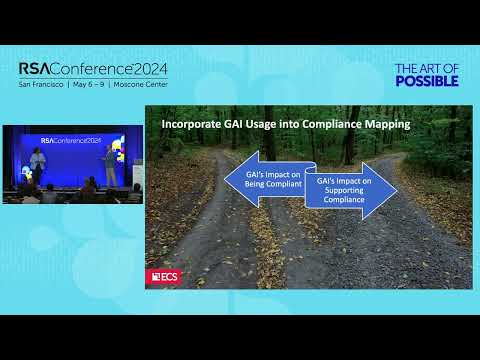
summary
A practical path for using generative AI: start with blacklist-everything-first and force exceptions, vet vendors for transparency about training data, update data classification and acceptable use, require human-in-the-loop review before any AI output is reused, and run new models in a sandbox while a cross‑functional AI board formalizes an AI corporate responsibility framework. Expect three months to define acceptable uses and awareness, six months to measure qualitative results, and ongoing process improvement tied to vendor and threat changes.
AI-written summary · about
chapters (24)
- 0:00Welcome
- 1:05Innovation and risk with GenAI
- 2:09Air Canada ChatBot case study
- 4:36AI foundations timeline
- 7:51Generative AI ecosystem
- 9:16GenAI benefits vs humans
- 10:18GenAI dangers and risks
- 13:27Balancing AI risks and benefits
- 16:58AI legal and regulatory considerations
- 19:03AI in GRC compliance mappings
- 23:17AI data visibility and handling
- 25:22AI impact on compliance frameworks
- 27:31AI corporate responsibility framework
- 29:19Governance in AI framework
- 32:10Institutionalizing AI governance
- 33:32Operational AI oversight
- 35:18Ethical AI board building
- 37:44AI code generation failure example
- 39:10AI workforce upskilling
- 40:56AI acceptable use policies
- 42:45AI review committees and services
- 44:08AI awareness training and prompts
- 44:52Next steps for AI governance
- 46:57Q&A
related talks
 26mGenerative AI: Impact of Responsible AI
 45mOverview of Risks, Vulnerabilities and Paths to Safer Use of Generative AI
 37mInnovate Responsibly with Generative AI
 29mGenerative AI: Path to Value in practice
 18mNavigating the growth frontiers of generative AI
 39mBuilding a Responsible AI Governance Program
 44mGenerative AI Security — A Practical Guide to Securing Your AI Application
 43mAI Engineer Ethics: Shaping Responsible Generative AI