The Future of Data Analytics: Adapting to the Shifting Technology Landscape

summary
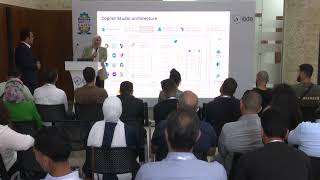
Microsoft Fabric launched May 23, 2023, consolidates storage, transformation, BI, governance and real‑time analytics into a SaaS one lake that claims to cut months of integration to clicks and adds Copilot augmentation for documentation and code generation. Demoed use of Power BI, Synapse/Databricks patterns, Data Factory orchestration and centralized governance; Gartner predicts 50% by 2024 of new cloud deployments will be cohesive ecosystems. Fabric eases technical complexity but does not remove people and process issues and can still produce duplicate datasets without careful design.
AI-written summary · about
chapters (10)
- 0:00Future of data analytics
- 0:27Introduction
- 1:11Paradigm shift in analytics
- 2:37Traditional solutions challenges
- 7:32Microsoft Fabric overview
- 10:21Key benefits of Fabric
- 10:44Drivers of new tech
- 13:15Gartner’s data ecosystem advice
- 16:51Is Fabric the future?
- 17:58Final thoughts and Q&A
related talks
 19mAccelerate your data potential with Fabric
 27mModernize your data integration to enable petabyte scale analytics with Microsoft Fabric
 47mData analytics for the era of AI
 26mIntegrating Microsoft Fabric and Databricks for Modern Data Analytics
 50mMicrosoft Fabric Data Factory Q&A
 46mMicrosoft Fabric Synapse data warehouse Q&A
 39mHow Microsoft Fabric Empowers Developers with Unified Data, DevOps, and AI
 27mEmpowering Innovation through DevOps & AI Integration