Data Lakehouse Vs Data warehouse in Fabric, which is right for you

summary
Microsoft Fabric exposes two engines: a Spark-based data engineering / lakehouse that reads and writes Delta Lake parquet files and supports nested types, files/folders, notebooks (PySpark/Scala/Spark SQL) and productionized Spark jobs; and a rewritten SQL data warehouse engine that offers T‑SQL, object/row/column security, stored procedures and multi-table transactional guarantees missing from Spark (only ACID table-level applies). Choose lakehouse for varied, semi/unstructured sources or heavy transformations and libraries; choose warehouse for tabular sources, strong security and cross-table transactions.
AI-written summary · about
chapters (4)
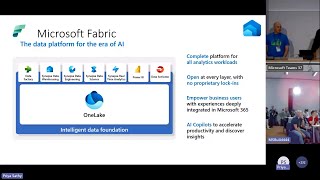
- 0:00Fabric architecture
- 5:46Data types and formats
- 11:00Development and languages
- 16:13Security and use cases
related talks
 31mUsing Spark to accelerate your lakehouse architecture with Fabric
 46mMicrosoft Fabric Synapse data warehouse Q&A
 47mData analytics for the era of AI
 44mUnify your data with OneLake and Microsoft Fabric
 21mWhy the Lakehouse?
 24mData Mesh and Lakehouse
 50mMicrosoft Fabric Data Factory Q&A
 32mEliminate data silos with OneLake the OneDrive for Data