One dataset and three use cases with Microsoft Fabric

summary
Imports World Bank Open Data into Microsoft Fabric using three concrete ingestion methods: Dataflow Gen2 to Lakehouse, Data Pipelines with copy assistant and Teams alerts, and Spark Notebooks that handle API paging. Builds Lakehouse tables and a default SQL semantic model, orchestrates refreshes and shows improved refresh history and metadata. Demonstrates 26 lines of notebook code to fetch and profile many indicators, loads CSVs via pipelines into Lakehouse, and produces Power BI reports from the created datasets.
AI-written summary · about
chapters (8)
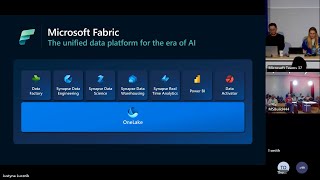
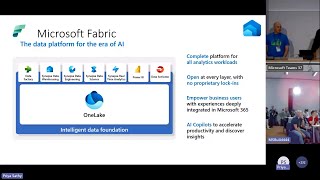
- 0:00Microsoft Fabric introduction
- 8:17Data warehouse vs lakehouse
- 17:41Data ingestion pipelines
- 29:39Orchestrating workflows
- 31:26Notebooks for processing
- 40:23Lakehouse modeling
- 47:43Self-service BI
- 50:11Q&A
related talks
 47mData analytics for the era of AI
 27mModernize your data integration to enable petabyte scale analytics with Microsoft Fabric
 50mMicrosoft Fabric Data Factory Q&A
 46mMicrosoft Fabric Synapse data warehouse Q&A
 19mAccelerate your data potential with Fabric
 30mDataEngBytes 2023 - BRI-T1-04 - Mimoune Djouallah
 26mTransform productivity with AI experiences in Microsoft Fabric
 50mFabric: What's new and what's next