A Short Course in Cyber Security
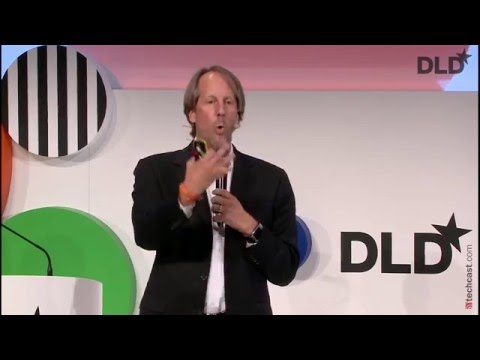
summary
Anything networked can be hacked, and with 5–10 billion devices now, soon trillions the surface of attack multiplies; the useful model is three mads: mutual assured destruction, mutual assured disruption (cyber attacks from a keyboard), and mutual assured dependence on the Internet. Stuxnet is concrete proof — Stuxnet disabled >10% of Iranian centrifuges — so the response is protocol redesign and internet hardening (IETF work, stronger cryptography, product-integrated security), new governance rules (right-to-know data access) and multinational coordination.
AI-written summary · about
chapters (9)
- 0:00The cyber world reality
- 1:18The three MADS model
- 2:33Cyber disruption and dependence
- 4:28Case study: Stuxnet
- 6:06Snowden and privacy concerns
- 8:10Hardening the internet
- 10:22Data protection and rights
- 12:55Shifting power and governance
- 13:51Future of internet governance
related talks
 46mNational Cyber-Aggression and Private-Sector Internet Infrastructure
 20mStuxnet Lessons for Defenders
 01h 00mNew Challenges in Cyber Security
 55mA Short Course in Cyber Warfare
 13mThe Future of Cyber Security pt.1
 49mResponding to a Cyber Attack with Missiles
 45mAn Internet of Governments: How Policymakers Became Interested in “Cyber”
 51mSaving Cyberspace