A Short Course in Cyber Warfare

summary
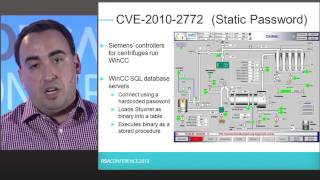
Argues cyber is a distinct 5th war dimension with four intersections — active/passive/physical/cognitive — and that real advantage comes from bureaucracy and team design, not individual skill. Cites Stuxnet as a physical+cognitive weapon that escaped and caused collateral damage, Unit 8200 money transfers against the PLO, DRPK SWIFT cashouts, OPM/Anthem mass exfiltration, and NotPetya collateral effects. Prefers many small autonomous teams over mega‑tool procurement; contrasts 12‑hour bureaucratic pivot with US processes that can require nine meetings to “hit enter.”
AI-written summary · about
chapters (20)
- 0:00Introduction
- 0:47Outline
- 1:55Fundamentals of Conflict
- 5:12New Domains
- 13:31Cyber
- 23:46Managed Worms
- 31:42Freedom to Fail
- 36:48NSA Mission
- 42:02China
- 42:53NATO
- 44:48Operation Aurora
- 46:00Stuxnet
- 47:10DRP vs Swift
- 48:12OPM vs United
- 49:07Gusoff
- 50:22NATO will get rekt
- 50:40China is doing this
- 50:59The US is really good
- 51:16Blended Ops
- 52:10Questions
related talks
 20mTrickle Down Cyber-Warfare
 51mSaving Cyberspace
 11mCyber-Apocalypse and the New Cyberwarfare
 59mThe Cyber Physical War – Lessons From the Digital Front Line
 29mCybersecurity and cyberdefense: a geopolitical issue
 16mA Short Course in Cyber Security
 26mCyber-Physical Damage
 49mCyberwar and the Law of Armed Conflict