Three Cs to an Open Source Program Office
summary
Advocates building an OSPO that ships concrete things: an automated license policy and scanning pipeline that turns dependency data into shared shopping‑cart style usage reports, lightweight guardrails instead of gates, and an inner source commons to collapse duplicate work across squads. Practical moves include joining foundations (Linux Foundation, FINOS, CNCF/CDF), onboarding developers for upstream contribution because fixing bugs upstream costs far less than launching a new product, and measuring small wins to build credibility.
AI-written summary · about
chapters (8)
- 0:00Intro
- 0:54Who Am I?
- 3:28Why Are You Here?
- 10:52Compliance Thinking beyond legal concerns
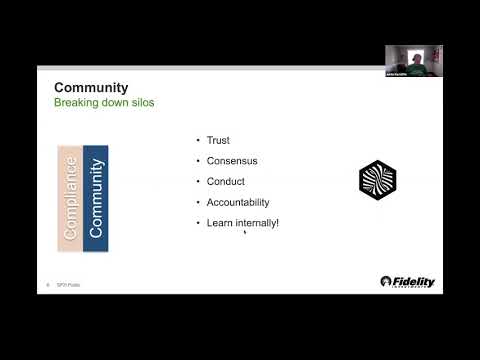
- 14:51Community Breaking down silos
- 19:40Character We all have insights to provide
- 27:39Credibility It all matters
- 34:02Summary
related talks
 26mOpen Source Program Offices
 01h 39mWorkshop: Building and Managing an Open Source Program Office
 26mNavigating Open Source: Establishing an OSPO for Organizational Success
 15mHow to set up an Open Source Program Office? Get insights and use cases from the OSPO Alliance
- 01h 39mWorkshop: Building and Managing an Open Source Program Office
 32mOSPOs: Key Lever for Open Source Sustainability
 43mFostering an Open Source Culture
 38mOpen Source Governance Practices and Case Studies of Enterprise