Best Practices In Implementing Container Image Promotion Pipelines

summary
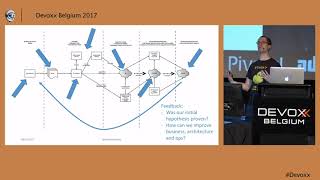
Argues that reproducible pipelines require build once and promote immutable images not rebuilding Dockerfiles, demonstrates a fragile public Dockerfile (link in show notes) and shows concrete tooling: JFrog Container Registry remote proxy to cache docker hub and avoid November throttling, virtual repositories plus REST API or jfrog CLI promotion to move images without re-push, and double tagging with metadata to map dynamic “latest” to an immutable tag. Shows the pipeline design, the problems it prevents, and that the approach works in practice.
AI-written summary · about
chapters (14)
- 0:00Start
- 3:09SHOWNOTES
- 4:44PIPELINE: QUALITY GATES AND VISIBILITY
- 5:55$docker build
- 6:27LET'S docker build IN EVERY ENV!
- 11:21WHAT'S UP WITH THE GATES?!
- 12:10OPTION 1: METADATA TAGS
- 13:02OPTION 2: DOCKER REPOSITORIES
- 14:10SEPARATE REGISTRIES PER ENVIRONMENT
- 16:23VIRTUAL HOSTS/PORTS TO THE RESCUE
- 17:43LET'S ABUSE THINGS!
- 23:29WIN-WIN-WIN
- 27:15STATIC TAGGING VS DYNAMIC TAGGING
- 32:03CONCLUSIONS
related talks
 40mBest Practices In Implementing Container Image Promotion Pipelines
 16mBest Practices for Container Image Promotion Pipelines
 15mKeynote: Best Practices In Implementing Container Image Promotion Pipelines
 41mDocker Container Lifecycles, problem or opportunity?
 33mDocker Container Lifecycles – Problem or Opportunity?
 31mBuilding a private CI/CD pipeline with Java and Docker in the Cloud
 49mContinuous Delivery at Docker age
 52mContinuous Delivery with Containers: The Good, the Bad, and the Ugly