Development Best Practices: An Overview of Working in the Software World
summary
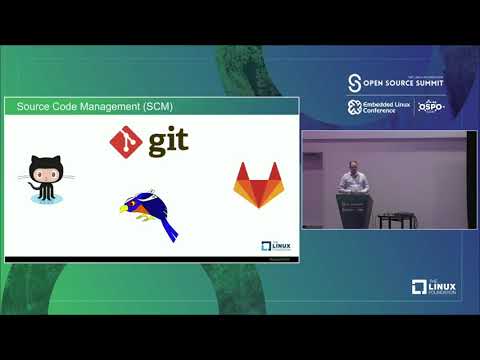
Covers concrete rules and tools for everyday development: use Git (GitHub, GitLab, Gerrit), avoid binary blobs or use Git LFS, follow seven commit rules (50‑char subject, blank line, 72‑char wrap, imperative), include DCO signed‑off and metadata footers, keep atomic commits, run local tests and TDD, require CI (Jenkins, GitHub Actions, GitLab CI) to pass before merge so changes are mergeable cleanly. Enforcing pre-commit hooks forces compliance in about two days; expect long reviews (45 iterations) but some merges finish in ~20 minutes.
AI-written summary · about
chapters (13)
- 0:00Introduction
- 1:03Source code management
- 3:26Commit standards
- 7:58Atomic and regular commits
- 9:45Git workflows
- 12:28Code review practices
- 17:19PR and review lifecycle
- 20:16Reviewing code as maintainer
- 21:45Communication in review
- 27:24Testing and validation
- 32:23CI/CD systems
- 36:19Resources and conclusion
- 37:25Q&A session
related talks
 52mConfronting Common Productivity Hurdles in Modern Software Development
 38mGit Best-Practice - Keeping a Diary
 01h 29mBetter Code and Collaboration through Open Source Concepts, Dev Containers....
 46mGit Workflow Etiquette: Repository Organization for Clean Codebases
 01h 08mHow Effective Teams Use Git
 31mDevelopment Standards: A Step-by-Step Guide to Implementing Them Without Pain
 01h 08mHow Effective Teams Use Git
 28mPull Requests: Merging good practices into your project