Understanding Impact of Foreign Influence Activities on Research Programs

summary
Based on 2,500 insider investigations the claim is that about 5% of employees present an insider-risk vector and roughly 3,000 talent programs pursue Western research; a lifecycle emerges: nation states identify gaps, post financial incentives, map organizations, harvest contacts via social media recruiting, then recruit insiders who exfiltrate IP. Outcome metrics: 85–95% of measurable talent program benefit flows to China, incidents usually lead to IP theft, compliance probes, and networks of co‑opted colleagues requiring cross‑domain research security programs.
AI-written summary · about
chapters (15)
- 0:00Intro
- 0:43Foreign Influence Activities - Real and Present Dangers
- 2:12Key Lesson Objectives
- 3:56Definition
- 5:34Insider Threat Risk Management
- 6:57Foreign Influence: Global Talents Recruitment Programs
- 10:04How Do Talents Recruitment Programs Work?
- 17:40"Talents": Witting and Unwitting Participation?
- 19:55How Many "Talents" Programs Exist?
- 22:16Tactics, Techniques, and Procedures
- 26:30Other Examples of Foreign Influence Activities
- 28:49Impact of Foreign Influence Activities
- 34:00Apply Best Practice: Organizations (continued)
- 35:55Research Security Management Program Goals
- 36:36Conclusion
related talks
 54mInsider Threats and New Economy Industries
 46mInside Payback: Using Metrics to Demonstrate Insider Risk Program Value
 24mUnrestricted Warfare on Campus: Chinese Information Operations and American Higher Education
 41mCollaboration Without Data Loss: Keep IP From Leaking to Competitors
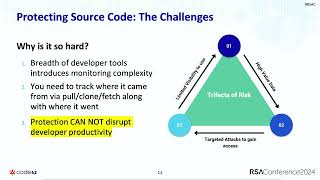 43mWhy Source Code Exfiltration Is the Biggest Blind Spot in Insider Threat
 31mThe Return of Hacktivism – The Insider
 55mDeveloping a Conceptual Model for Insider Threat
 48mStop Chasing Insider Threats, Start Managing Insider Risk