Cryptanalysis II

summary
Reverse-engineering of Bridgefy shows Bluetooth mesh uses Gzip then RSA PKCS#1 v1.5 per-block, letting an attacker perform a compression-oracle style decryption with about 2^17 chosen ciphertexts, impersonate users because the handshake lacks authentication, and mount zip‑bomb DoS; attacks are verified on Android using Frida and disclosure led to a claimed Signal migration not yet reviewed. Analysis of GAEN shows cheap Inverse‑Sybil attacks by sharing key material; two hash‑chain protocols are proposed (non‑interactive or location‑derived) that raise server trust and download costs. Time‑shift attacks via NTP/Wi‑Fi/rogue BTS let adversaries replay keys to inject false alerts; regional bulletin boards show practical replay exposure.
AI-written summary · about
chapters (13)
- 0:00Intro
- 1:45Other examples
- 3:19Research
- 9:46Lessons
- 12:59Replay Attacks
- 15:09Gain Scheme
- 17:17Investible Attacks
- 18:50Overview
- 20:47Summary
- 22:29Presentation
- 25:29Keep it stupid simple
- 28:59How does it work
- 31:19Master of time attack
related talks
 26mThe Dangers of Key Reuse: Practical Attacks on IPsec IKE
 14mWhen Encryption Fails
 51mA Retrospective on the Use of Export Cryptography
 29mDancing on the Lip of the Volcano: Chosen Ciphertext Attacks on Apple iMessage
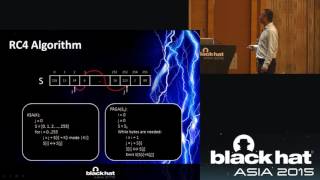 49mBar-Mitzva Attack: Breaking SSL with 13-Year Old RC4 Weakness
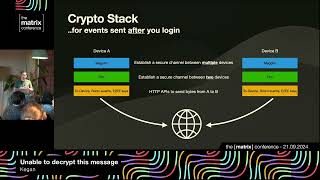 34mUnable to decrypt this message
 41mFault Attacks & Side Channels
 28mOne&Done: A Single-Decryption EM-Based Attack on OpenSSL’s Constant-Time Blinded RSA