A Data Protection Problem: Insider Risk

summary
Code42 reports that employees nearly twice as likely to have leaked data since COVID and that 91% lack purpose-built tech to manage it. The concrete solution is a five-step Insider Risk Management flow: collect file/vector/user signals, set department-level tolerance, chain events into insider risk indicators (example: two‑weeks notice → zip created → Dropbox upload triggers investigation), apply right‑sized responses, and measure risk posture over 90–180 days to prove reduced exposure and faster remediation.
AI-written summary · about
chapters (20)
- 0:00Intro
- 0:54In this session
- 2:11A level set
- 4:04The market problem
- 6:14The business need
- 7:17The security pain
- 8:01Insider Risk requires a different approach
- 12:21The approach
- 14:50Identify insider risk exposure
- 17:35Define insider risk tolerance
- 18:59Prioritize insider risk indicators
- 21:58Automate right-sized response
- 24:09Improve insider risk posture
- 25:35Insider risk management outcomes
- 25:55Productivity outcomes
- 27:22Security outcomes
- 29:24Business value outcomes
- 29:58Routes to outcomes
- 31:19Where to start
- 33:19Additional resources
related talks
 41mCollaboration Without Data Loss: Keep IP From Leaking to Competitors
 48mProtect Valuable Data as Employee Turnover Rages
 15mSecret Tips to Reduce Insider Threat Risks with Behavioral AI
 31mThe Return of Hacktivism – The Insider
 48mData-Driven Cyber Indicators of Malicious Insider Threat
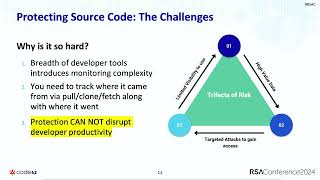 43mWhy Source Code Exfiltration Is the Biggest Blind Spot in Insider Threat
 26mInsider Threats Packing Their Bags With Corporate Data
 46mInside Payback: Using Metrics to Demonstrate Insider Risk Program Value