Testing In Production

summary
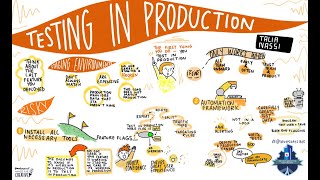
Claims that testing in production reduces surprises by testing where real users and data live and that staging often fails are supported with specifics here Staging costs average $100,000 and mismatches data and load so tests lie The recommended stack is feature flagging (example Split UI with targeted users), an automation framework with reporting, a job scheduler, and integrated alerting plus clear test data like is_test_user=true and deploy via a production canary at 1% before scaling Results are higher confidence, fewer bugs, and faster velocity.
AI-written summary · about
chapters (11)
- 0:00Introduction and personal story
- 2:27Why staging environments fail
- 7:03Principles of testing in production
- 9:09Setting up feature flags
- 14:25Essential testing tools
- 16:12Managing test data safely
- 18:21Writing production tests
- 20:56Canary deployments and risk mitigation
- 23:41Scope of production testing
- 24:25Shifting testing culture
- 26:29Summary and key takeaways