COVID-19 impact on RIPE Atlas #internet #measurements

summary
Analysis uses RIPE Atlas active measurements (pings, traceroutes from probes and anchors) and RIS BGP routing data to show how COVID-19 moved traffic from corporate to residential networks, producing stronger diurnal patterns and localized latency spikes (e.g., Venezuela 50→250 ms). A hackathon created the “network delays in time of corona” dataset combining RIPE Atlas probes and RIS BGP feeds, and routing-level metrics show BGP announcements did not drop even where performance degraded.
AI-written summary · about
chapters (14)
- 0:00Start
- 3:31RIPE (Réseaux IP Européens)
- 3:46RIPE Atlas Coverage
- 9:06Measurement Devices
- 10:21Latest: RIPE Atlas Software Probes
- 10:52Credits System
- 14:32RIPE NCC Internet Initiative Japan
- 16:36Measurement Results (Italy)
- 18:07Measurement Results (Colombia)
- 18:26Measurement Results (Venezuela)
- 18:50Conclusions
- 20:44The Internet
- 23:21RIPE Routing Information Service (RIS)
- 28:35RIPE Atlas community (Part 1)
related talks
 25mMeasuring the Internet with Python
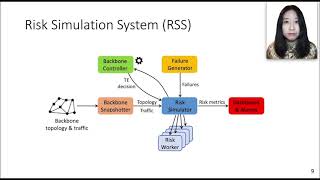 14mA Social Network Under Social Distancing: Risk-Driven Backbone Management During COVID-19
 29mUsing the Internet as Your Load-Balancer
 34mFixing the Internet for Real-Time Applications (Games)
 43mHow to make an accurate Geo-IP database
 32mActive Fault Finding in Networks
 43mAttack or Noise?: Tracking and Evaluating the Impact of Internet-Wide Survey Scanners
 22mBGP Vortex: Update Message Floods Can Create Internet Instabilities