Mobiconf 2018: Weibe Elsinga, Egeniq

summary
People default to solutions instead of asking why, so use design thinking and a one-week design sprint (day-by-day mapping, paper prototypes, click-through fake screens) to test big bets cheaply. Examples: an airport app prototype revealed taxi drivers using flight lookup; a park prototype game entertained but lengthened queues, so team switched to transparent wait times; a banana-case ethnography exposed unmet needs. Watch for concrete tactics: recruit diverse users, prototype in days, test with real people, measure surprising behaviors, and stop asking for unnecessary permissions that break trust.
AI-written summary · about
chapters (15)
- 0:00Introduction and talk focus
- 1:24Problem vs solution thinking
- 4:45Understanding user expectations
- 8:03User distrust and communication
- 11:20User intelligence and familiarity
- 13:11User time constraints and simplicity
- 14:38User moods and modes
- 17:06User gaps and unexpected use
- 19:41Thinking like the user
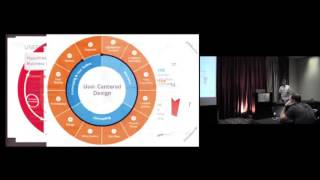
- 21:14Design thinking explained
- 26:56Design thinking example with bananas
- 29:27Design sprints by Google
- 33:54Case study amusement park
- 39:02Eat your own dog food
- 40:28Conclusion and Q&A