The Forgotten

summary
Contact centers become the common fallback for broken web authentication and often remain unsecured; CV S Health standardizes calls with a Universal Call Identifier (UCID) that tags every inbound call for tracking, uses ANI lookups and SIP-header checks to detect spoofing, and treats voice biometric prints as an authentication factor while worrying about deepfakes and consent. A small UX change—moving surveys to post-call—generates millions of feedback responses annually, showing simple operational fixes can be highly effective.
AI-written summary · about
chapters (14)
- 0:00Introduction to the talk
- 0:23Why contact centers are forgotten
- 3:08Personal security breach story
- 6:18Social engineering threats explained
- 9:07Authentication pillars for contact centers
- 10:10Identity verification over phone
- 11:55Voice recognition as future solution
- 14:21Key considerations for call centers
- 17:12Deepfake threats to voice security
- 18:56FIDO and contact center integration
- 20:21Agent training and data exposure
- 22:45Role of contact center in recovery
- 23:50Voice biometrics future potential
- 25:14Telephony spoofing risks
related talks
 35mContact Center Authenticaion
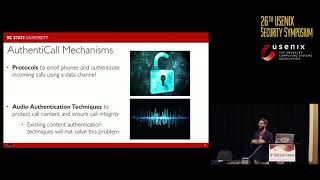 29mAuthentiCall: Efficient Identity and Content Authentication for Phone Calls
 45mVoice Security - Get Up to Speed on This Attack Vector
 35mThe UX Of Advanced Voice Biometrics For Authentication
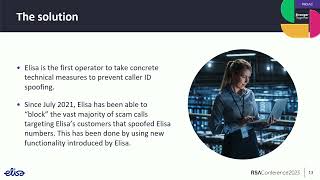 50mWinning the Battle Against Scam Calls – How We Mitigated Caller ID Spoofing
 53mCall Me: Gathering Threat Intelligence on Telephony Scams to Detect Fraud
 15mTransforming security and experience with digital identity
 33mYour voice confirms my identity