FIDO 101

summary
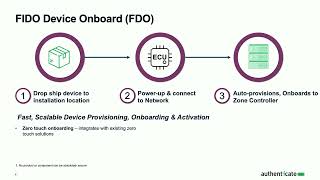
FIDO replaces server‑stored passwords with public key cryptography, moving crypto into browsers (WebAuthn) and CTAP for USB/BLE/NFC keys; this blocks phishing by binding credentials to exact domains. Deployments show major platforms shipping passkeys (Apple, Google now; Android/Windows soon). FIDO Device Onboard enables zero‑touch onboarding via ownership vouchers, a rendezvous service and mutual auth; LF Edge provides an open‑source implementation. Certification covers functional/interoperability tests, security levels 1–3, and biometric component tests (face, fingerprint, voice, iris). Membership nears 300 orgs; 8.4B leaked passwords underscore the need.
AI-written summary · about
chapters (17)
- 0:00Welcome and introduction
- 1:11Why FIDO exists
- 2:42Passwordless authentication vision
- 7:48Speaker introductions
- 10:14Authentication in real world
- 13:24Password problems
- 23:09Multi-factor authentication limits
- 28:07Need for standards
- 31:18FIDO authentication basics
- 45:06FIDO specifications
- 1:00:02FIDO Q&A
- 1:15:42FIDO for IoT
- 1:38:13FIDO account recovery
- 1:42:27FIDO identity verification
- 1:47:28FIDO certification programs
- 2:02:19Certification Q&A
- 2:16:57Closing and membership
related talks
 25mFIDO Automotive applications
 56mPasskeys 101: Technical Principles of FIDO
 47mWhy FIDO Security Keys & Webauthn are Awesome
 38mBreaking FIDO: Are Exploits in There?
 45mPanel: America Loves FIDO
 26mFIDO biometrics and passkeys for in-vehicle apps
 25mAuthentication and Beyond Using FIDO and Push Notifications
 07mImagine: A world without passwords, it is easy if you try