State and Future Remote Authentication
summary
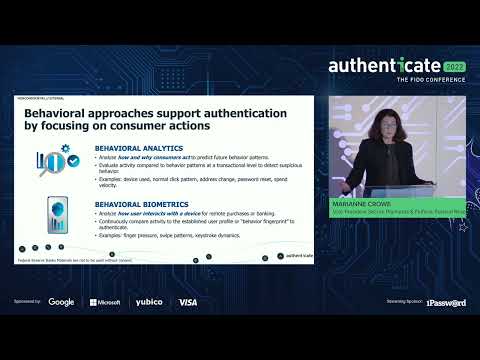
Remote authentication fraud is rising after COVID as more novices use digital payments and criminals exploit reused passwords and inconsistent defenses; research includes 15–20 industry interviews and finds banks, merchants and processors use MFA unevenly. Practical mitigations named are expanded use of one‑time passcodes, behavioral biometrics, risk‑based and continuous authentication, and better sharing of signals hampered by mobile carrier data constraints. Two concrete proposals follow: increase MFA adoption with best‑practice toolkits and run a feasibility study to accelerate FIDO/passwordless rollout across payments.
AI-written summary · about
chapters (7)
- 0:00Introduction and welcome
- 2:09Remote authentication challenges
- 8:02Current MFA limitations
- 12:59Advanced authentication methods
- 17:53Industry collaboration needs
- 21:08Path to passwordless future
- 23:16Q&A and closing remarks
related talks
 40mPurple Team Auth: Hacking & Bypassing MFA Systems, and How to Armor Up
 44m(in)Security is eating the world
 47mThe Psychology of Multi-Factor Authentication
 23mPasswordless Authentication in the Regulatory MFA Landscape
 48m2FA2Furious: New Threats to MFA
 17mImplementing Multi-factor Authentication
 30mGoing Beyond Passwords: The Future of User Authentication
 50mOne Does Not Simply Add MFA