Keynote

summary
Google announces a Fido beta that aims to make phishing dramatically harder by moving authentication to users’ devices; Pixel 6 already runs on-device phishing protections for Android Messages and on-device ML for autocorrect and translation so personal data never leaves the phone. The company pushes binary transparency so anyone can verify Pixel factory images and OTA updates, and it exposes a Content Safety API and public transparency reports to detect abuse while minimizing shared‑device and low‑income user risks.
AI-written summary · about
chapters (6)
- 0:00Introduction and keynote overview
- 1:50Trends in user safety and abuse
- 4:39Protected Computing principles
- 7:29Bringing safety to the device edge
- 9:17Binary transparency for device security
- 12:27Closing remarks and thanks
related talks
 12mIntroduction to counter-abuse technology at Google
 32mWhat We Can Learn from Google’s Fight with Phishing
 36mProtecting Users from Deception
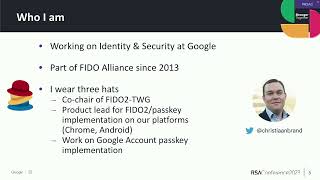 52mPasskeys: The Good, the Bad and the Ugly
 32mWhat's new in Android security
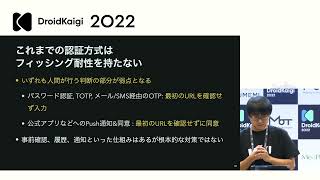 38mThe Present and Future of Standardized Authentication Specifications You Can Experience on Android/Chrome
 39mSecurity on Android: What's next
 29mWebAuthn and security keys - unlocking the key to authentication