Continuous Biometrics

summary
A continuous biometric system based on handwriting and cursor movement is deployed by Cusrsor Insight and is serving about two million users, but accuracy is probabilistic and person-dependent using FAR/F RR tradeoffs. Building it required lots of data, fixes for hardware/software noise (angle snapping, timestamp jumps) and a DIY turntable testing station to reveal device errors. Shorter samples shrink performance dramatically — a ~68% drop in accuracy when sample length is cut — and best practice is to layer biometrics with other factors.
AI-written summary · about
chapters (8)
- 0:00Introduction to biometrics
- 1:06Accuracy limits of biometrics
- 3:55Measuring authentication accuracy
- 9:59Building continuous biometric systems
- 12:48Data quality challenges
- 19:57Human movement variability
- 22:49Advantages of continuous biometrics
- 24:36Layering authentication methods
related talks
 20mBiometric Touch Sensing: Seamlessly Augmenting Each Touch with Continuous Authentication
 06mListen to Your Fingers: User Authentication based on Geometry Biometrics of Touch Gesture
 19mEvaluating the Influence of Targets and Hand Postures on Touch-based Behavioural Biometrics
 24mHow Biometrics Are Shaping the Future
 07mNot Quite Yourself Today: Behaviour-Based Continuous Authentication in IoT Environments
 01h 00mBiometric Unsecurity
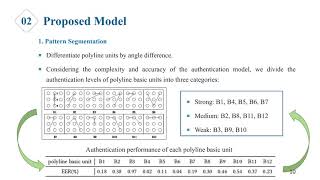 05mFine-Grained and Context-Aware Behavioral Biometrics for Pattern Lock on Smartphones
 01h 00mNavigating the Biometric Anatomy