Testing in a Reactive Way
summary
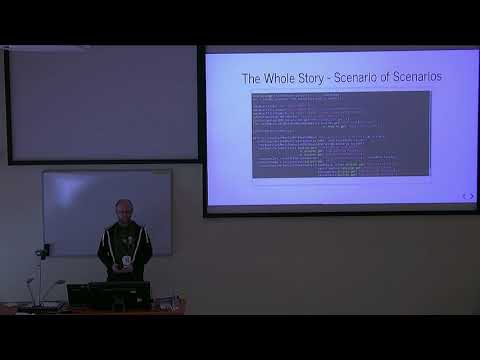
Reactive tests run as cooperation of three players: small scenario scripts that drive the system, a test broker Node.js WebSocket service that collects file system, bus and network events, and a Python reactive test analysis that waits for a scenario to start then verifies collected events after it stops. Code uses RxPy and RxJS, merges streams, uses scan to maintain a live list of open connections and subscribes only at the top level so side effects (responses) stay isolated from stream composition.
AI-written summary · about
chapters (6)
- 0:00Reactive testing approach
- 1:52Reactive test system components
- 5:29Test execution and verification
- 9:14Stream-based validation
- 12:08Reactive programming benefits
- 16:32Closing remarks
related talks
 52mTesting Reactive Apps
 45mReactive Testing Strategies with NgRx
 52mBuilding Reactive Apps
 50mThe reactive landscape
 01h 32mBuilding Reactive applications with Reactor and the Reactive Streams standard
 52mBootiful Testing
 19mModern Testing Strategies for Reactive Applications
 01h 21mReactive Web Applications