Defence-in-depth and shift-left to develop sustainable, resilient and secure applications

summary
XLINQ separates the what from the how and automated high-level compilers to generate applications, shifting non-functional requirements left so nothing is tacked on late. Security is implemented as code with defense-in-depth controls and an added network fallback after an ML-based DDoS layer failed in testing. The platform supports encrypted lookups at 20,000 transactions per second, and the team plans for failures because roughly 86% of leaks are human error, so plan B automation preserves critical users.
AI-written summary · about
chapters (6)
related talks
 01h 00mDefense-in-depth engineering
 12mMulti-Layer Defense for Scalable Threat Mitigation
 41mSkillful, Scalefull Fullstack Security in a State of Constant Flux
 25mLLM SecOps
 29mSmall company serving the giant
 01h 03m"Defense in depth": trench warfare principles
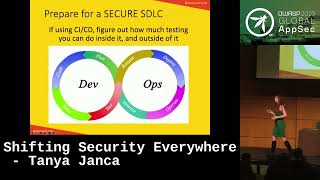 01h 04mShifting Security Everywhere
 42mHuman in the loop is not enough