Splitting Monolith Application to Microservices

summary
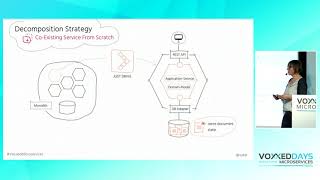
E-commerce monolith is split iteratively into microservices using Apache CXF, Karaf and ActiveMQ plus Docker/Kubernetes, Helm, Terraform and Google Container Registry; logging and tracing use Fluent Bit and Elasticsearch. Migration starts with 6–7 event/auxiliary services and then extracts high‑load pieces (price/availability) so the monolith traffic drops by ~10x; a gateway enables 10% canary routing. Data is kept shared initially to speed delivery, then services adopt per‑service databases with REST calls or async event sync; CI/CD, centralized logs, distributed tracing and team ownership are mandatory.
AI-written summary · about
chapters (14)
- 0:00Introduction and motivation
- 8:15Benefits of monolith architecture
- 11:28Pain points with monolith
- 17:14Migration strategy and step zero
- 20:27Extracting first microservices
- 22:55Scaling high-load services
- 23:59Decoupling team codebases
- 26:31Splitting core business services
- 27:57Database separation challenges
- 31:07Technical challenges of microservices
- 33:17Organizational challenges
- 36:47CI/CD and monitoring setup
- 41:21Key lessons learned
- 44:52Q&A and final thoughts