Open Source Community--The Utopia for Programmers
summary
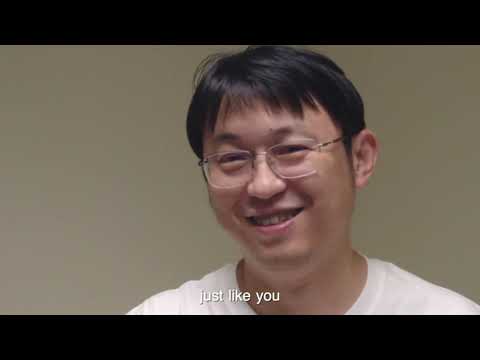
Argues that open source acts as a practical utopia by replacing manager-driven work with meritocracy, fast code review and feedback loops, and communal tooling: actual use of automatic unit tests and continuous integration, issue tracking on Jira/GitHub, and discussion on the mailing list. Shows concrete outcomes — quicker fixes, repeated releases, contributors granted repo access after proven work — and cites real projects (Kubernetes, Jenkins X) and mentorship that improve skills and ship functioning software.
AI-written summary · about
chapters (9)
- 0:00Introduction and welcome
- 1:54What is open source community
- 2:57Personal experiences in open source
- 5:46Open source vs corporate work
- 7:13Meritocracy in open source
- 8:16Growth and collaboration benefits
- 9:23Learning from experts
- 11:51Golden rule and community values
- 12:33Conclusion and Q&A invitation
related talks
 52mBottom-Up Open Source Culture
 29mThe Open Source Development Surprise
 43mFostering an Open Source Culture
 25mThere's More to Open Source than Code
 27mDesign Your Open Source Project
 33mThe Open Source Effect
 21mThe Power of Open Source Community
 28mWhy Open Source Matters by Making People and Companies Better