Storytelling and technology
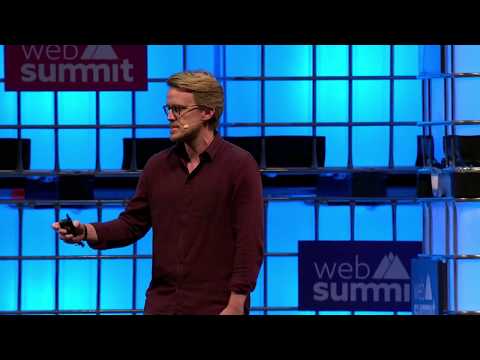
summary
History of virtual production from Titanic and Avatar to Jungle Book and VR projects The Blue and Gnomes and Goblins with concrete techniques: motion capture versus keyframe over mocap, virtual cameras on digital sets, skin and hair simulation, and use of game engine Unity to "shoot" films in VR. A studio-level pipeline required 850 artists on photoreal character shots; examples include a CG hand blended into a real arm and AI-driven eye behavior that reacts to viewer movement.
AI-written summary · about
chapters (6)
- 0:00Introduction and backgrounds
- 1:12Early career and pivotal projects
- 3:21Technology and emotional storytelling
- 7:15Merging film and interactivity
- 10:08Virtual reality experiences
- 12:01Current projects and future trends
related talks
 21mFireside Chat: Virtual Production: A Peek Behind the Curtain for Game Devs & 3D Artists
 02mThe Imaginarium
 33mVR Production in Hollywood
 32mFireside Chat
 57mReal-time Cinematics & Storytelling
 54mMerging Interactive Narrative with Live Action
 58mVFX Workflow for Real-Time Production with Photogrammetry, Alembic, and Unity
 19mSession:Using High-Quality Cinematics To Nail Your Pitch Without Breaking The Bank