HoloBoard: a Large-format Immersive Teaching Board based on Pseudo HoloGraphics

summary
HoloBoard is a large-format pseudo-holographic transparent display built from a semi‑transparent projector screen plus 4 VR base stations with 2 handlers and 4 trackers to capture body motion. The prototype implements 12 scenarios (immersive presentation, role‑play, see‑through interactions, telepresence) and is deployed in classrooms for a STEM lesson with six‑ to nine‑year‑olds. Pre/post tests show no significant learning gain versus a regular digital whiteboard, but multimodal analysis finds significantly higher behavioral, emotional and cognitive engagement (more attention, discussion rounds, and remembering/understanding responses).
AI-written summary · about
chapters (12)
- 0:00Intro
- 0:20Motivation: What the future classroom might look like?
- 0:38Immersive technologies rapid growing
- 1:14Large-format Pseudo HoloGraphics Displays in Industry
- 2:08Methodology: Multi-stage Mixed-Method System Incubatio
- 2:35Concept Design
- 3:32Hardware Composition
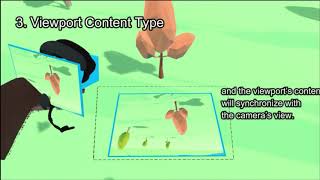
- 4:06Interaction Techniques with HoloBoard
- 4:38EXPERIMENTAL STUDY
- 4:53Demo Course Development
- 5:24Learning Outcomes Results
- 5:35Multimodal Engagement Analysis
related talks
 01h 01mHolographic Programming – Exploring the HoloLens
 40mHolographic Telepresence with Hololens
 22mBlood, Sweat and Hololens
 51mThere's a Hologram in my UI!
 59mHolographic Programming – Exploring the HoloLens
 47mHoloLens 101: First experiences with holographic computing
 27mHoloportation: Virtual 3D Teleportation in Real-time
 09mHMD Light: Sharing In-VR Experience via Head-Mounted Projector for Asymmetric Interaction