DOOM Postmortem: 30 Years of DOOM

summary
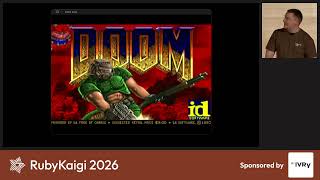
A month-by-month 1993 postmortem of Doom explains concrete choices: development on NeXT using a custom level editor DoomEd, textured sprites scanned from toy guns and a latex model by Gregor Punchatz, and adoption of a binary space partition renderer to fix stairway slowdowns. The team adds DMX sound drivers, finishes multiplayer features including Deathmatch and co‑op in one frantic November, finds and patches a long‑standing freeze bug, and uploads the December 10 release to overwhelmed FTP mirrors — it works and it changes the industry.
AI-written summary · about
chapters (9)
- 0:00Roots and early development
- 4:53Foundations of the game
- 7:24Early prototyping
- 9:15Mid-development challenges
- 10:50Refining core mechanics
- 13:16Defining the design style
- 15:44Team changes and final sprint
- 17:19Polishing the experience
- 19:49Launch and legacy
related talks
 41mDOOM GUY: Life in First Person
 24mThe Quake Postmortem: The End of the Original Id
 38mThe Early Days of Id Software: Programming Principles
 24mFrom C to Ruby: Porting Doom
 52mFallacies of Doom Lessons learned from porting Doom 3 to Java
 01h 04mFallacies of Doom - Lessons learned from porting Doom 3 to Java
 56mFrom Hell to Heaven: Porting Doom to MAUI
 56mFrom Hell to Heaven: Porting Doom to MAUI