Asynchronous Work: The Next Phase of Remote Work
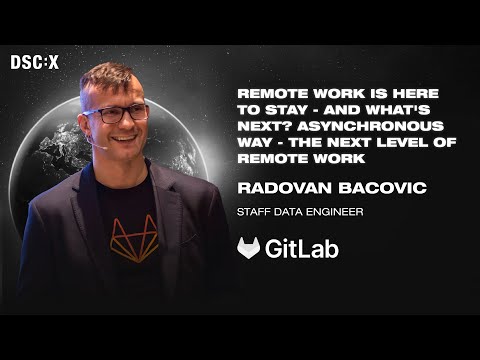
summary
GitLab runs 1,600 people in 56 countries serving 30+ million users with zero offices and a 2,500‑page public handbook that documents their async operating model. Engineering ships monthly releases (third Thursday), runs 1 billion CI/CD pipelines total, and uses an automated revert button to roll back bad deploys. Meetings follow strict rules — no agenda no meeting, record everything, attendance optional — and onboarding uses 4–5 week checkpoints plus buddy support. Concrete templates, Slack thread discipline and documented playbooks make async work repeatable and measurable.
AI-written summary · about
chapters (9)
- 0:00GitLab and remote philosophy
- 3:59GitLab’s global scale
- 10:37Remote work models
- 14:30Transitioning to async work
- 16:18Async culture building
- 24:40Remote pitfalls and fixes
- 28:53Remote onboarding
- 31:40Release processes
- 34:47Async work takeaways
related talks
 21mGitLab: The Asynchronous Enterprise
 22mRemote Right: How to Thrive in a Post-Office World
 13mDarren Murph, GitLab | GitLab Commit 2020
 36mRemote work is here to stay: and what's next?
 31mAsynchronous Remote Work
 55mWorking Distributed - How Does It Even Work?
 29mEveryone Can Contribute
 27mRemote Team Management