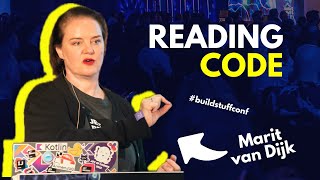
Reading code

summary
Developers spend about 58% of their time reading code, and deliberate practice via a code reading club—monthly sessions using 1–2 page samples on paper and structured exercises like first glance and “most important lines”—improves comprehension. Practical tactics shown: clone and build with Maven verify, inspect pom.xml, generate diagrams and a module dependency matrix, run tests, step through the debugger, and ask an AI assistant to explain errors or commits. A two‑year club converges on key lines and measurably deepens understanding.
AI-written summary · about
chapters (17)
- 0:00Introduction to reading code
- 1:11Why reading code matters
- 3:19Code reading club concept
- 7:54Structured code reading exercises
- 10:23Why code is confusing
- 14:13Four dimensions of code reading
- 15:15Familiarizing with new codebases
- 16:38IDE features for code reading
- 21:30Using diagrams to understand code
- 25:07Tracing control flow in applications
- 27:40Debugging to understand behavior
- 31:59Tests and code behavior
- 34:55Debugger features for learning
- 36:42Refactoring code for understanding
- 38:29AI assistants for code clarity
- 39:35Structured exercises outside IDE
- 40:17Starting your own code reading club