Reading code
summary
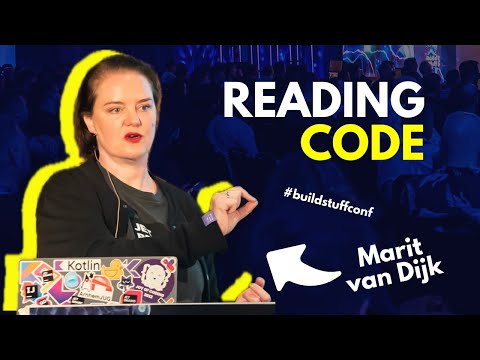
Claim: developers spend about 58% of their time reading code. Practical setup: print a one‑ to two‑page sample, run structured drills like First Glance and picking the five most important lines, then annotate and converge on meaning over repeated sessions. Tools and moves that actually help: run and debug the project, generate or draw dependency/state diagrams, use git annotate to read history, refactor privately for clarity, and ask IDE/AI features to explain code when semantics or regexes block comprehension.
AI-written summary · about
chapters (18)
- 0:00🚀 Introduction and Overview
- 2:00The Importance of Code Reading
- 4:00Structured Exercises for Reading Code
- 6:00The "First Glance" Exercise: Approaching Code with a Fresh Eye
- 9:00Identifying Key Components and Relationships in Code
- 12:00How to Recognize the Most Important Lines in Code
- 14:00Analyzing Code from Different Perspectives
- 17:00Learning from Different Viewpoints in Code Reading
- 19:00How Cognitive Load Affects Code Comprehension
- 22:00Dealing with Lack of Knowledge or Information in Code
- 25:00Using Memory Aids and Diagrams to Understand Code
- 28:00How to Use Your IDE to Better Navigate Code
- 30:00Practical Tips: How to Approach and Understand Complex Codebases
- 33:00Using Debuggers and Breakpoints to Understand Code
- 36:00Refactoring Code for Better Understanding
- 39:00Leveraging Git History to Understand Code Changes
- 42:00How AI Assistants Can Help in Code Reading
- 45:00Final Thoughts: Why Code Reading is an Essential Skill for Developers


