Deep dive into modern frameworks Reactivity🔬⚛️

summary
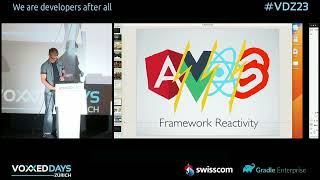
Compares how Vue, React, Svelte and Angular turn data changes into DOM updates, showing compiled template functions, a console log that proves a title re-render runs once under signal-based systems, and demos where React/Angular without optimizations re-render unnecessarily. Explains three strategies: value‑based dirty checking (Angular, onPush tradeoffs), observable streams (RxJS async pitfalls), and synchronous signals (computed values, Zone.js to signals migration in Angular and per‑node update plans).
AI-written summary · about
chapters (9)
- 0:00Introduction and speaker background
- 4:58What is reactive programming
- 10:49Why frontend frameworks need reactivity
- 13:24Value-based reactivity in Angular
- 25:30Value-based reactivity in React
- 31:00Observer-based reactivity with Observables
- 38:19Signal-based reactivity approach
- 45:25Angular’s shift from Zone.js to Signals
- 50:12Future of Angular’s reactivity
related talks
 41mDiving into Modern Frontend Frameworks to Understand Their r
 49mA comparison of the Reactivity Concepts in Angular, React, Vue and Svelte
 11mReactivity as Catalyst: Driving Evolution in React, Vue & Angular
 48mDive into frontend frameworks to understand their reactivity🔬⚛️
 44mComparative study of reactivity across frameworks and implications for Resumability
 19mReactivity in Frontend JavaScript Frameworks
 01h 00mIntroduction to reactive programming
 21mUnderstanding Rendering Patterns